ADU Rules in Los Angeles: A Practical Homeowner Guide
Thinking about adding a small home on your Los Angeles property? Whether you want space for family, a long-term rental, or a flexible studio, an accessory dwelling unit can be a smart move. The process can feel complex, but with the right basics you can plan with confidence. In this guide, you’ll learn what an ADU is, where it typically fits on LA lots, how permitting works, costs and timelines to expect, and a simple plan to get started. Let’s dive in.
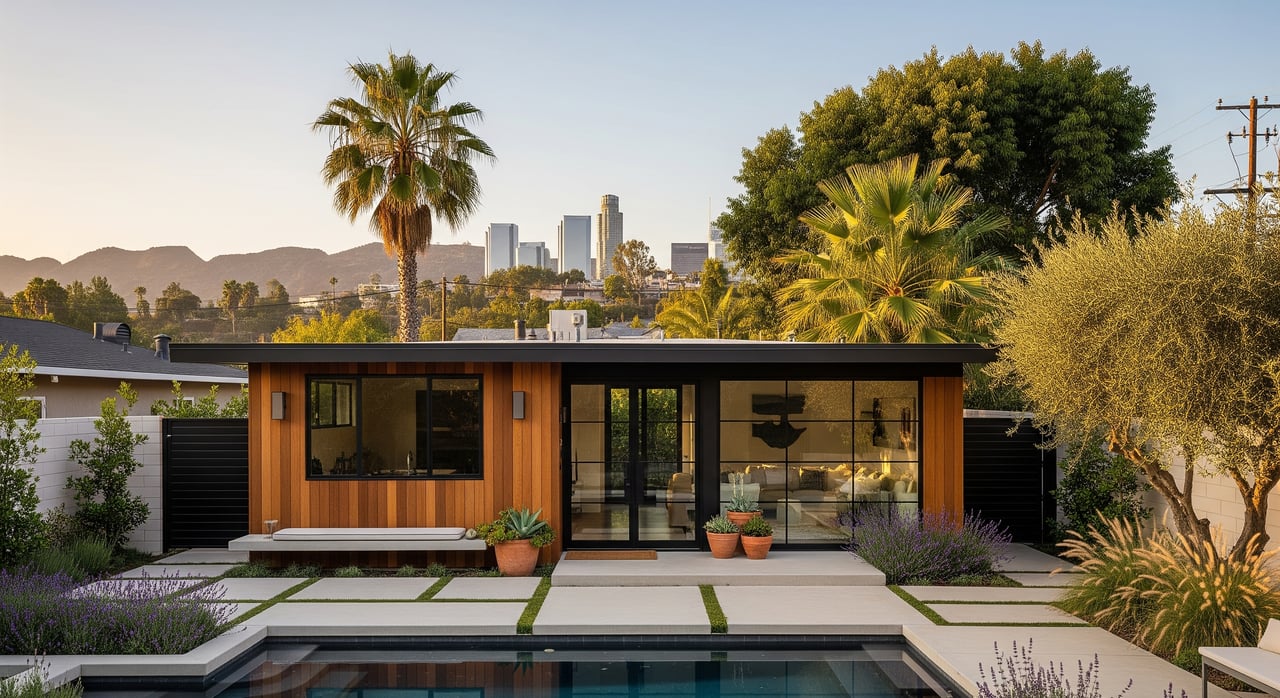
An accessory dwelling unit is a secondary home on the same lot as your primary residence. You can build it as a detached cottage, attach it to your home, or convert existing space like a garage, basement, or attic.
A Junior ADU (JADU) is a smaller unit created within your main home, often by converting a bedroom or interior space. A common statewide cap for JADUs is 500 square feet, but local rules can shape the details, so confirm current requirements before you design plans.
If you own a multifamily property, you may also be able to add ADUs. Options can include converting non-livable areas or adding new units, subject to zoning and building standards.
ADUs are widely supported by state law, and the City and County administer the details through planning and building departments. Most compliant ADUs are reviewed ministerially, which means no public hearing and a streamlined path if your plans meet objective standards.
Key agencies include City Planning for zoning, the Los Angeles Department of Building and Safety for permits and inspections, and the Los Angeles Fire Department for access and fire-safety requirements. If your property is in an unincorporated area, the County’s planning and building agencies will guide your process.
Many single-family zones allow at least one ADU, and multifamily zones can allow more options. Your specific rules depend on zoning, lot size, and any special overlays.
Detached ADUs must comply with setbacks, lot coverage, and height limits. If you are in a historic district, hillside area, or special overlay, expect extra reviews and design considerations.
Parking minimums for ADUs are limited by state law in many scenarios, including some locations near transit. Still, site conditions matter. Narrow lots, limited on-street parking, and driveway access can affect how you lay out your project. LAFD reviews emergency access in areas with constrained roadways or hillside conditions.
Your ADU must meet current building, electrical, plumbing, and energy codes under the California Building Standards (Title 24). You should plan for safe egress, smoke and carbon monoxide alarms, and in some cases fire sprinklers depending on the type of conversion and local requirements.
Water, sewer, and electric connections are part of plan review. You can pursue shared or separate utility meters, subject to engineering and approvals. Some connection or impact fees may apply, though state law provides exemptions or reductions for certain smaller ADUs.
If you plan to rent the ADU for short stays, review Los Angeles short-term rental rules and any business registration requirements before you list. State law has limited many local owner-occupancy requirements for new ADUs, but reporting or registration rules may still apply, so confirm current city guidance.
ADUs add functional space and flexibility that buyers value. A permitted, well-designed ADU can attract a wider pool of future buyers. Quality, legality, and neighborhood demand all influence resale impact. In areas near jobs, transit, and universities, ADUs often see strong, consistent use as rentals.
Costs vary widely based on the ADU type and site work. Garage and interior conversions are often more cost-effective than new detached construction that requires a full foundation and new utilities. Finish level, utility upgrades, and landscaping also influence your budget.
You can fund an ADU with cash, a conventional loan, a HELOC, or a construction loan. Some local or state programs may be available at times, each with its own requirements. Remember that rental income is taxable. Property tax impacts for the new construction can apply on the added value, so check county assessor guidance as you plan.
A typical timeline looks like this:
An ADU can add flexibility, comfort, and income potential to your Los Angeles property. The best next step is to align your goals, budget, and timeline with local rules so you can choose the right path, from a simple conversion to a new backyard cottage. If you want to understand how an ADU could affect your home’s market position, rental potential, and future resale, let’s talk.
For a clear plan tailored to your property and goals, connect with Karean Wrightson for a complimentary market consultation.
"We have bought and sold more than nine personal residences ... in addition to many pieces of income property... you have become our favorite real estate expert out of an impressive line-up from the past. "